


Next steps when someone shares they are experiencing domestic violence
By Kellie Scott
Posted to ABC News, 21/08/25 – 1:43pm
When someone says they are experiencing domestic violence, you might feel unsure about how best to support them.
Whether it’s a family member, friend or colleague, it’s helpful to understand how difficult disclosing experiences of domestic violence can be, as well as how to respond in the moment, and the best way to provide ongoing support.
Domestic violence victim-survivors share early warning signs of abuse
By Kellie Scott
Posted to ABC News, 01/07/25 – 1:00pm
Told they couldn’t go out with friends. Stopped from giving male friends a hug. Called crazy and gaslit when their partner did something wrong.
These are just some of the early signs of intimate partner violence shared by victim-survivors in recent research from the University of Melbourne.
What helped Lili after surviving domestic violence in childhood
By Kellie Scott
Posted to ABC News, 29/07/25 – 3:08pm (Updated 06/08/25 – 8:49am)
The program coordinator for Engender Equality’s Advocates for Change says advocacy is a chance for victim-survivors to rebuild community and reclaim their voice.
“When you step into advocacy spaces, you get to experience allyship … you get to celebrate strength and resilience.”
The dangerous form of abuse around food that often goes unnoticed
By Kellie Scott
Posted to ABC News, 07/02/23 – 6:00am
Food control is a form of coercive control that is often invisible and potentially life-threatening. Identifying its signs, and pathways to help is important and can take time.
Victim-survivors of domestic violence share how we can help them feel safer to disclose abuse
By Kellie Scott
Posted to ABC News, 15/02/24 – 2:06pm (Updated 15/02/24 – 4:24pm)
Disclosing abuse can be incredibly difficult. Victim-survivors fear they won’t be believed, often blame themselves, and have a lot of shame around the violence they are experiencing.
But there are ways we can help those in our lives feel safer to share.
Ten years and $200,000: the cost in Australia of protecting a child from an abusive ex-partner
By Kate Lyons
Posted to The Guardian, 17/05/24 – 01:00
When Caroline left her husband after years of emotional, financial and physical abuse, she thought she and her toddler were finally free.
But it was only the start of a new kind of trauma – the world of family law proceedings.
Financial abuse in relationships and ways to protect yourself
By Kellie Scott
Posted to ABC News, 22/05/24 – 10:04am (Updated 22/05/24 – 11:27am)
One in six women in Australia experience financial abuse. It can happen at any income level, often alongside other forms of domestic and family violence.
We share three ways that can increase your financial safety.
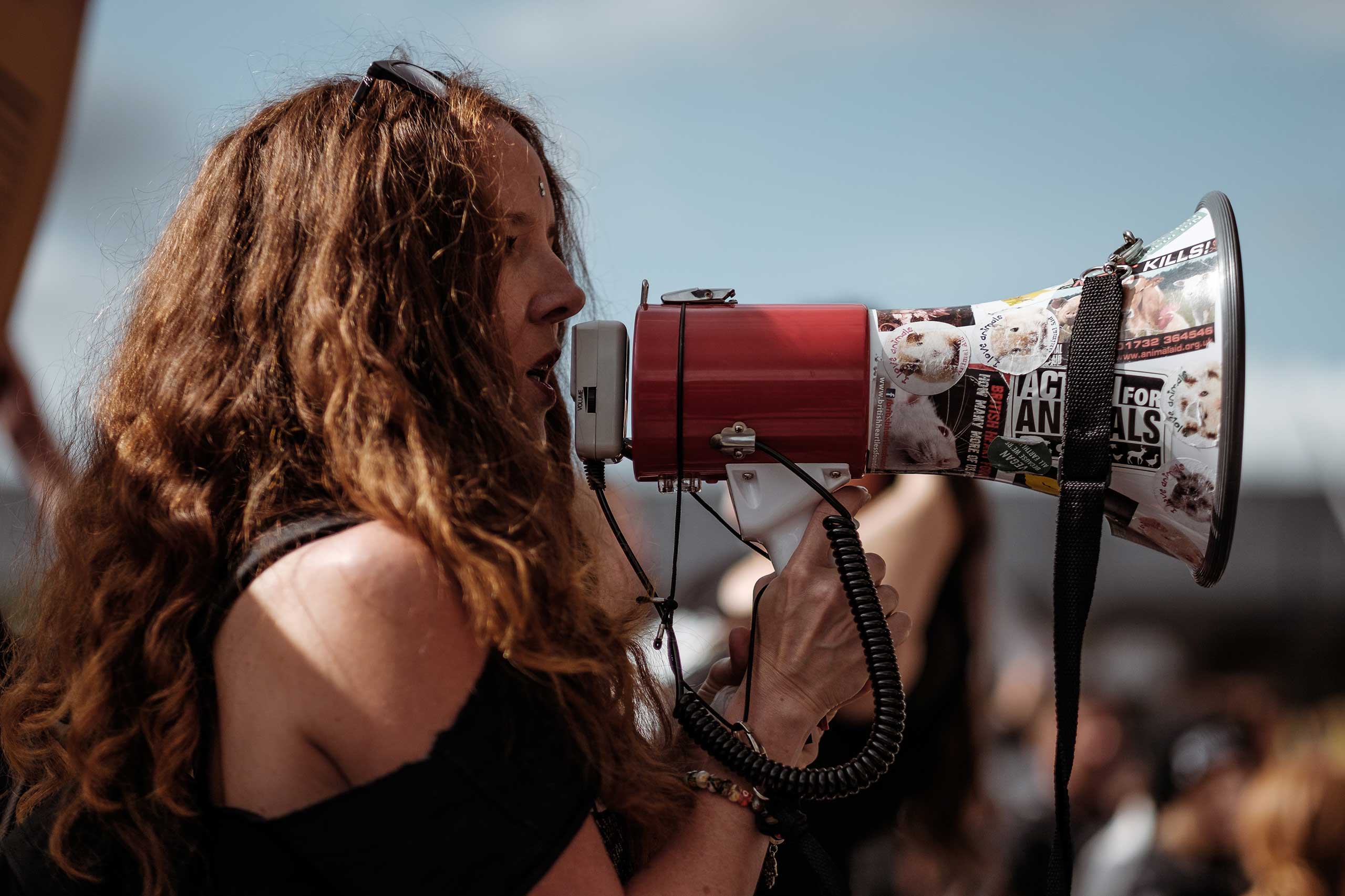
Protesters across country demand end to violence against women during What Were You Wearing? rallies
By Sophie Jaggers
Posted to ABC News, 10/05/25 – 3:55pm (Updated 12/05/25 – 11:00am)
Protesters across country demand end to violence against women during What Were You Wearing? rallies.
About 150 people gathered on Hobart’s Parliament Lawns to hear from several speakers, including women directly affected by gendered violence.

Harming or threatening pets would be a family violence offence under Tasmanian independent MPs push
By Sophie Jaggers
Posted to ABC News, 05/08/24 – 8:59am (Updated 05/08/24 – 11:57am)
Independent MP David O’Byrne is proposing a change to Tasmania’s family violence laws to include harming, or threatening to harm, animals as a form of family violence.
Support services say instances of threats to harm pets are “incredibly common” in abusive relationships.
Mr O’Byrne plans to table his proposal in state parliament this week, with the government saying it is willing to “consider” the legislation and let parliament decide.
Independent, David O'Byrne is set to table a new bill in Parliament aimed at protecting people and pets fleeing family violence
Broadcast on Nightly News 7 Tasmania, 04/08/24
Independent, David O’Byrne is set to table a new bill in Parliament this week aimed at protecting people and pets fleeing family violence. It comes at a time when coercive control is rife amongst communities, with Tasmania looking to fall in line with legislation in other states.