


Newsletter - Expanding impact through new projects - Engender Equality Update - February 2026
Our latest Newsletter highlights:
- A new project – Challenging masculinity, supporting care: Practice reflections from working with fathers of trans young people
- Submission to the Federal Inquiry into the relationship between domestic, family and sexual violence and suicide
- Fundraising efforts to support an Advocates for Change project

News item - Developing a post-release peer support model for women with lived experience of family violence and imprisonment
On February 5th, 2026, Alina Thomas, Engender Equality CEO spoke with Tracey Strong on ABC Radio Breakfast about securing funding from the Solicitors’ Guarantee Fund to develop a post-release peer support model with women who have lived experience of family violence and imprisonment, why this work matters, and what the model will involve.
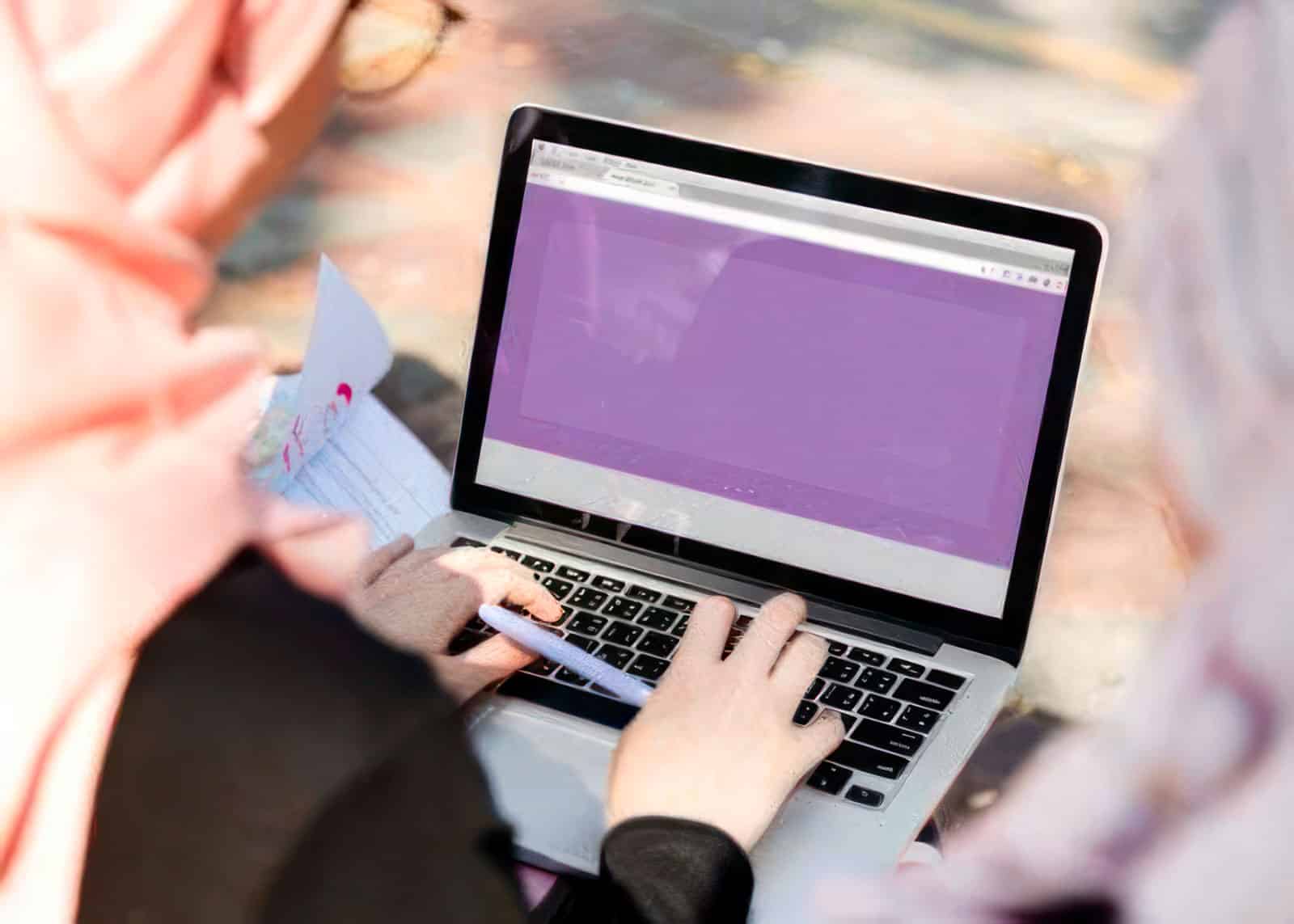
Media Release - Victim-survivors should action strategies to stay safe on the Internet
MEDIA RELEASE
6 February 2026
VICTIM-SURVIVORS SHOULD ACTION STRATEGIES TO STAY SAFE ON THE INTERNET
As we approach Safer Internet Day on 10 February 2026, Tasmanian family violence service, Engender Equality is urging women in coercive or violent relationships to take steps to stay safe on the internet.
Engender Equality CEO, Alina Thomas said,
“For people experiencing controlling or violent behaviour from a partner or former partner, learning the options that will make you safer online will limit the perpetrators access to your life on the Internet.”
“Online stalking is a way to exert power and control by creating fear and confusion and often involves alienating the victim-survivor from friends and family, she said.
“Behaviours can include ‘bugging’ someone’s computer, phone or other device with ‘spyware’ to track computer use without you knowing, hacking social media pages and accessing phones,” Ms Thomas said.
Fortunately, there are many safety tools for browsing the internet, emailing, and using a phone. Here are some sites that may help E-safety Commissioner or Technology safety and domestic and family… | Full Stop Australia.
Strategies such as using a ‘safe’ computer through a friend or the public library, never using your real name, getting a second phone, clearing browser history, keeping passwords memorised rather than written down, and changing phone and computer settings to private, can help.
Legal help with online stalking and other forms of technological abuse is also available. Always keep evidence of online abuse in case an intervention order is needed and forward the unwanted emails to police or a case worker.
If you would like to interview a lived experience representative (case study), please see Advocates for Change – Engender Equality, email advocates@engenderequality.org.au or phone: 0415 740 524.
For more information visit the Engender Equality website or phone (03) 6278 9090.
Ends.
Media Contact: Alina Thomas 0438 788 291

Submission in relation to the relationship between DFSV victimisation and suicide, 30 January 2026
Engender Equality responds to the inquiry into the relationship between domestic, family and sexual violence and suicide.
This submission relates to the relationship between DFSV victimisation and suicide.