

A message from the CEO
Engender Equality is built on the fundamental practice of believing women, believing victim-survivors, and advocating for the rights of mothers to parent their children.
As CEO, I call for the acknowledgement of gendered impacts across all social domains, and I challenge the structures, cultures, and power imbalances that allow men’s violence to thrive.
At Engender Equality, we believe real change comes when specialist knowledge, lived experience, and community connection are able to reshape how systems – and consequently individuals – use power and control.
We acknowledge that family violence is complex and that it includes a broad range of behaviours that are sometimes not recognised as violence. We also know that people are affected by violence in different ways.
If you are, or have been, affected by family violence, we focus on you as an individual. We consider your life, your needs and your circumstances, so we can really understand all the factors impacting your particular situation. We call this taking an ‘intersectional’ approach and it means we will respect your unique culture, ability, identity and life experience.
We provide:
- Trauma-informed and evidence-based counselling
- Locally-sourced information
- Specialised, world-class, evidence-based resources
- Education and support for individuals and groups affected by violence
- Community training and education
- Referral, where appropriate
- Advocacy for systemic change to gender inequity and violence against women
Engender Equality is overseen by a board of highly skilled women who bring diverse skills to their governance roles. With corporate, not-for-profit and community representation, the Board provide strategic leadership to the organisation that is informed by legal, financial, managerial and business development expertise. The Board is made up of members from across the state of Tasmania and work closely with the CEO to provide highly proficient stewardship to Engender Equality.
A dynamic, evolving organisation, Engender Equality’s philosophies, practice and resources are based around lived experience and grounded in cutting-edge research. Our progressive approach, combined with three decades of skills, knowledge and hands-on involvement gives us an edge in the fight for gender equality in Tasmania.

Chairperson
Chris Hannan
Chris is an experienced leader and non-executive board member, passionate about driving positive change in health, mental health and the community sector. With a strong foundation in governance, strategic leadership and advocacy, Chris is committed to creating impactful outcomes across the public, private and not-for-profit sectors.
Chris currently serves on several boards including the Australian Association of Social Workers (AASW) as National Vice President and Board Secretary for the Jacqui Lambie Network. In both positions Chris works closely with the board and senior leadership to improve organisational culture, drive compliance with high standards, and ensure effective governance. Chris actively participates in committees focused on professional standards, ethics, finance and risk management.
In her capacity as the Managing Director and Principal Therapist of Chris Hannan Relationship Therapy & Clinical Supervision, Chris provides relationship therapy, individual counselling, clinical supervision and mentors early career social workers.
Chris brings a unique blend of board experience, lived experience and clinical expertise, supported by a Bachelor of Social Work, a Masters in Applied Positive Psychology, and ongoing law studies. Chris is an Accredited Mental Health Social Worker (AMHSW) and trained in Gottman Method Marriage Therapy (Level 3), which enhances her approach to both therapeutic practice and organisational leadership.
Chris’ approach to leadership is deeply rooted in empathy, strategic vision and a commitment to sustainable social impact. Chris is dedicated to empowering organisations to fulfill their missions through robust governance and compassionate advocacy and is delighted to be filling the role of Chair at Engender Equality.
Deputy Chairperson
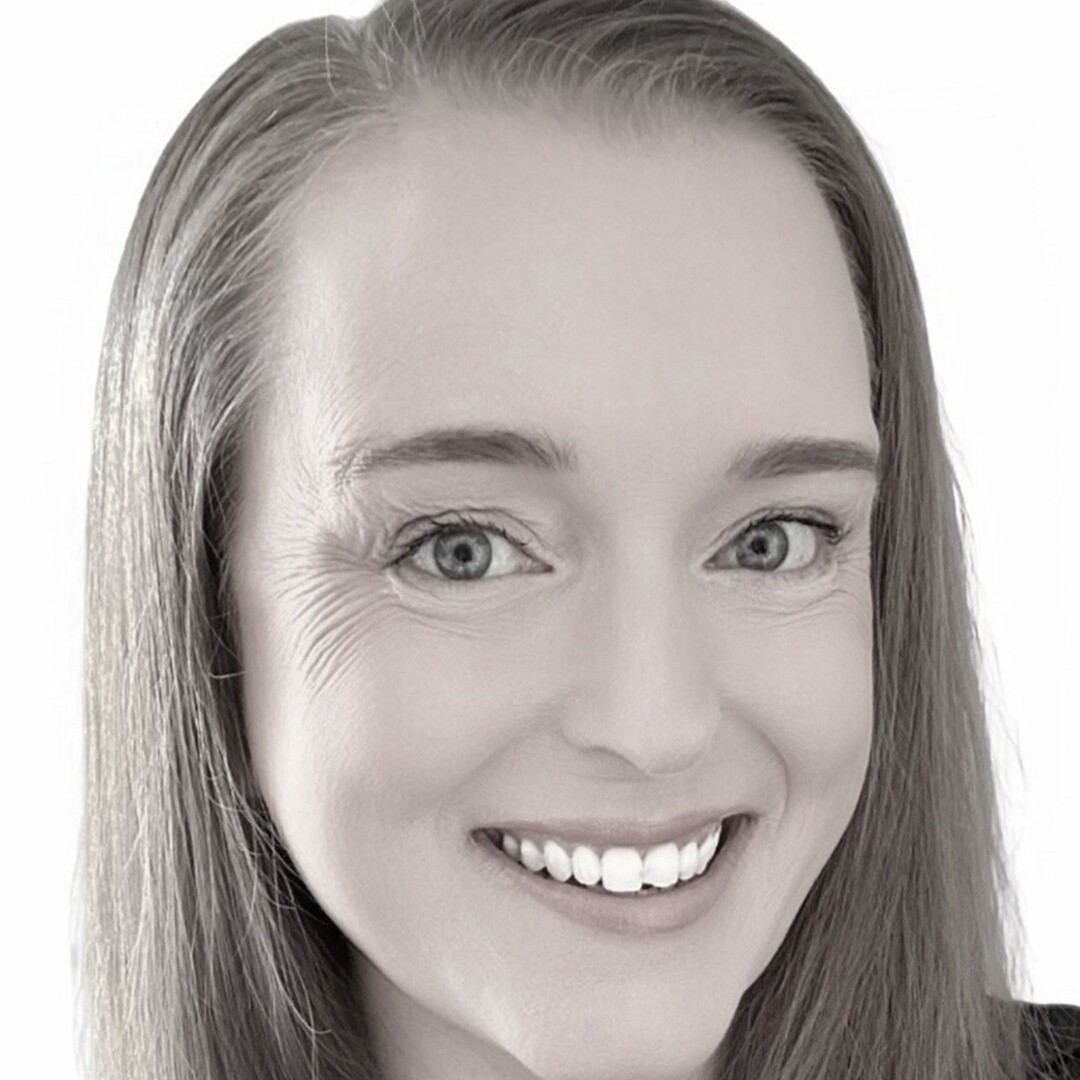
Louise Madden (BjSt)
Louise is a dedicated and passionate community engagement professional with over a decade of experience in the community services sector. Louise currently works as a Community Engagement Officer in the suicide prevention space. Louise is committed to fostering inclusive, collaborative, and community-led solutions that strengthen local resilience and capacity.
Grounded in the values of connection, collaboration, and capacity building, Louise brings expertise in stakeholder engagement, co-design processes, and cross-sector collaboration. Her work champions community voices and ensures that programs and services are responsive to local needs.
In addition to her role in suicide prevention, Louise is the founder of both CuddleCare—supporting parents and infants through trauma-informed care—and FUSE Youth, an initiative that empowers young people to develop leadership skills and confidence. Previously, she has held key roles in therapeutic youth work, mentoring programs for young parents, and the delivery of child-focused trauma, grief and loss recovery programs.
Louise’s deep understanding of trauma-informed care, early intervention, and community development, combined with her strategic approach to building meaningful partnerships is highly valued in the work she does at the community level. She is a strong advocate for inclusive processes, ensuring the voices of diverse and often marginalised communities are heard and prioritised in decision-making.
Her professional philosophy is rooted in the belief that empowered individuals and connected communities are the cornerstone of resilient and sustainable futures.

Treasurer
Angela Abbott
Angela brings with her a broad range of experience across the hospitality, corporate, vocational, higher education and the community services sectors spanning over 25 years. Her primary focus has been business, strategy, HR, marketing and operational management within these industries, which she is now applying in the community services context.
Angela holds a Bachelor of Business Management degree from the University of Tasmania. She is passionate about her involvement within the community and supporting Tasmanians to achieve their goals in life.
Secretary
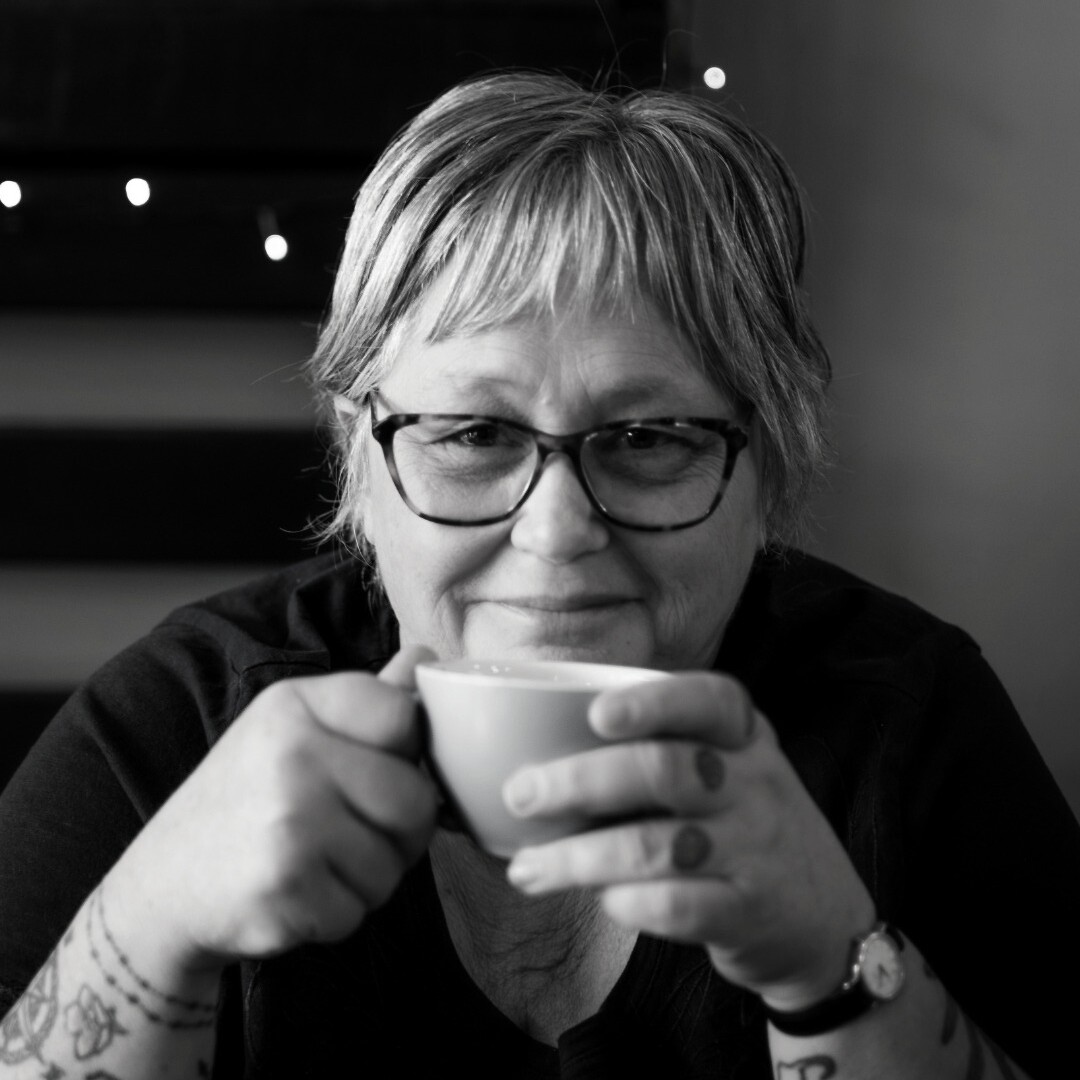
Kelli Schultz
Kelli is an experienced People & Culture specialist with a strong background in the not-for-profit sector, particularly within health, aged care, and disability services. Over the past six years, she has contributed her expertise to organisations that support some of the most vulnerable members of our community.
Holding a Bachelor of Arts (majoring in History) and a Diploma of Community Development and Sustainability, Kelli combines her academic background with a deep commitment to social justice. She is passionate about equity and inclusion, particularly within aged care and disability services, and is dedicated to helping individuals achieve their goals with dignity and respect, regardless of sex, gender, or age.
Kelli has served on Community Neighbourhood House boards and various community group committees, demonstrating her strong governance experience and community engagement. Her professional strengths include human resource management, industrial relations, and policy development.

General Member
Sarah Clifford (BA, LLB, GDip (Legal Prac.))
Sarah is a government policy leader with a background in Gender Studies and Law. She holds a Law degree from the University of Tasmania and an Arts degree, majoring in Gender Studies, from the University of Melbourne which is where she developed an understanding of the drivers of gender inequality and how they relate to family violence and discrimination.
Sarah has held many roles in workplace relations law, policy and stakeholder engagement work. She currently works as Assistant Director in the Policy branch at the Fair Work Ombudsman where she is responsible for developing strategic policy advice and leading government programs. Prior to her current position, Sarah also worked in community engagement leading outreach programs to provide education on workplace entitlements to vulnerable or ‘at-risk’ employee cohorts. Sarah is also an active member of her workplace’s ‘Gender Equality Network’, championing gender equality issues for her colleagues and in the community.
Sarah brings both practical policy and governance skills, and a passion for supporting vulnerable people and driving community change.

General Member
Jo Porteus
General Member
Lakshmi Sundram
Lakshmi is deeply passionate about social justice, dedicating her career to providing legal advice and support to vulnerable individuals within the justice system. With a focus on family violence, she has served for over 15 years as the Safe at Home prosecutor in the South.
Her extensive experience has given her a profound understanding of the barriers faced by victim-survivors in seeking help. Lakshmi offers meaningful support at every stage of their journey through the justice system. Additionally, she has a robust governance background, having previously served on the Board of Women's Health Tasmania.
Chief Executive Officer
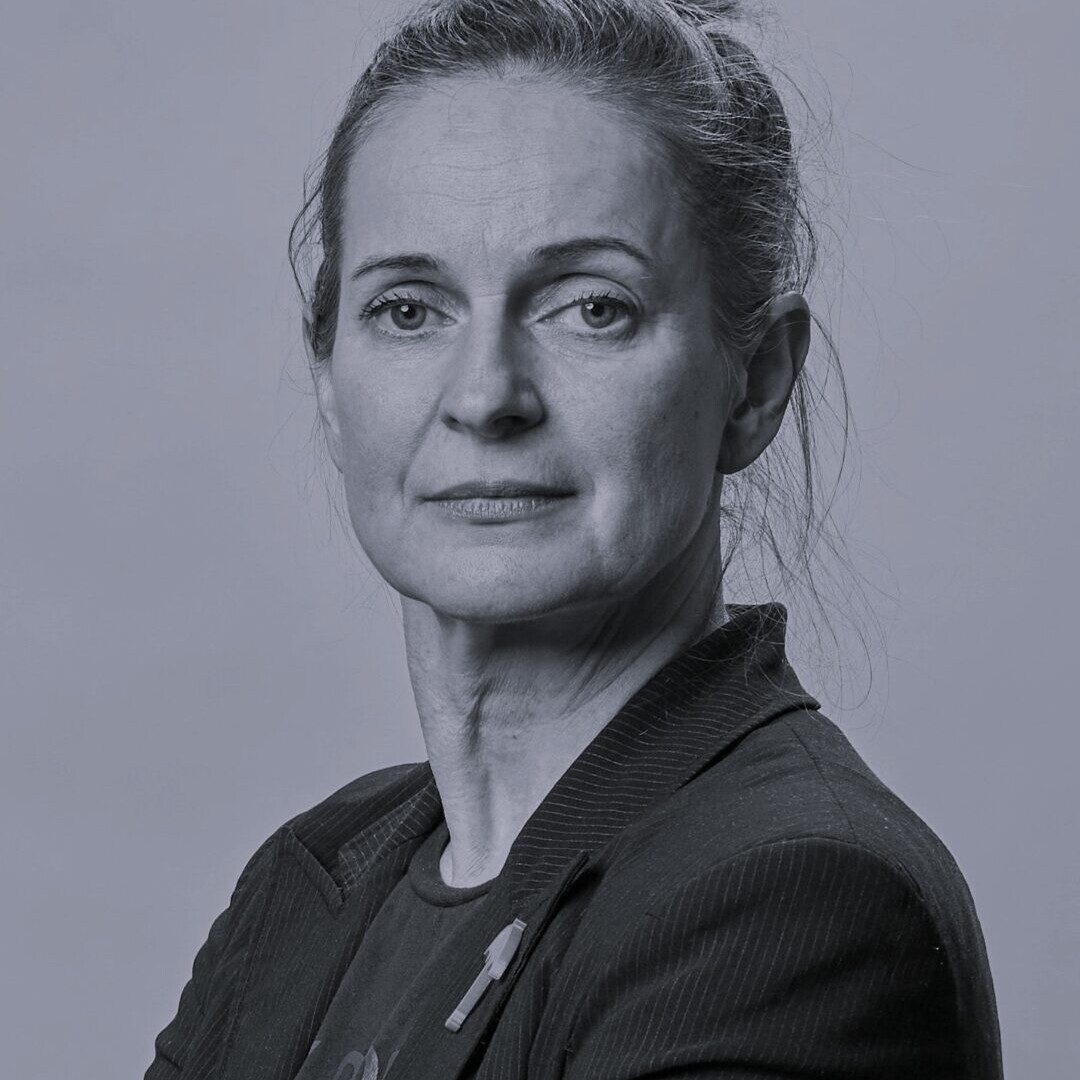
Alina Thomas (BSSc Comm Serv, GDip WomenSt)
Alina Thomas has an established career in the Community Sector with over 20 years of experience across a range of health and community projects, with a focus on women and wellbeing.
Alina leads the team at Engender Equality with vision, passion and expertise that combines consultation with clear strategic management.
Alina’s skills include enabling marginalised communities, community development, project management, financial management, community education and evaluation, and has a reputation as a progressive change agent committed to developing community-driven solutions to inequality, marginalisation and dis-engagement.
As the CEO of Engender Equality, Alina has increased the capacity and standing of the organisation to become a known thought leader and advocacy body against domestic and family violence. Alina has a sound standing as a spokesperson on domestic violence and gender inequality in Tasmania. In her representation of victim-survivors, Alina considers the diversity of the community and strives for inclusion and equal access of all people regardless of their lived experience, identity or socio-economic background.
Engender Equality
Engender Equality was established in 1987 in response to the notorious murder of Maureen Thompson by her estranged husband Rory Jack Thompson, a local CSIRO scientist.
Horrified by the case, a group of concerned women recognised that there were no specialist services for women who were experiencing family and domestic violence beyond the police and women’s shelters. The women established the Domestic Violence Action Group (DVAG), based on the belief that violence against women is a violation of human rights. In 1987, the Action Group acknowledged the long-term effects of violence on women’s lives, and decided to set up a women’s service based on a philosophy of equity and empowerment. The founding members of DVAG provided information and support in a voluntary capacity over a period of years.
This new service was called SHE which was an acronym of Support, Help and Empowerment, three essential elements in responding to the experience of family and domestic violence.
Initially, SHE was supported financially by community groups, businesses, and individuals in the local community. Later on, the Departments of Community Services and the Premier and Cabinet began to provide funding, as well as basic equipment and library resources. In 1991, funding had increased enough that SHE was able to employ workers and expand the service.
In 2016 SHE obtained a grant through the Safe Home, Safe Families; Family Violence Action Plan 2015 – 2020. This enabled SHE to extend service delivery to the Launceston and North West regions of Tasmania, making SHE a statewide service.
In 2018 the organisation’s name changed to Engender Equality. The name Engender Equality promotes the need to address the culture that enables family violence by working inclusively across the community.
Engender Equality continues to provide short to long-term specialised support and counselling throughout Tasmania and has become a leading non-government organisation working with individuals and communities impacted by family violence in Tasmania.
Engender Equality works to end all family, domestic and intimate partner violence. Ongoing funding from the Department of Premier and Cabinet, Tasmania has enabled us to continue our work in supporting this mission.
The Family Violence Movement
Family violence campaigner Rosie Batty winning the 2015 Australian of the Year was one event that heightened public awareness and ignited a new wave of responses to family violence in Australia. Yet, just a hundred years ago, most people thought it was reasonable for a man to beat his wife to show his authority. At that time, family violence wasn’t considered a social problem. If it was considered a problem at all, it was a ‘women’s issue’.
Here is a brief overview of Engender Equality’s 30-year history in the context of the family violence landscape in Australia.
Early 20th century
In the early 20th century, groups of women started to address domestic and family violence:
- Suffragists thought women and children could be better protected if women could vote (women were first allowed to vote in the 1903 federal election however Aboriginal women were not permitted to vote until 1962).
- Members of the temperance movement linked alcohol with sexual and physical violence against women
- Others saw government welfare for sole parents as a way to reduce violence against women
1950
The basic wage for women was set at 75% of the basic wage for men.
1970s
In the 1970s, a specific movement against domestic and family violence emerged. Supporters opened refuges, worked with women affected by violence and abuse, and lobbied for stakeholders like police, courts and welfare agencies to change their policies and practices. Human rights activists pushed for domestic and family violence to be seen as a criminal act.
1980s
Women’s political activities began to jolt state governments into action. Women working with those affected by family violence helped the community realise that domestic and family violence was overwhelmingly violence by men against their female intimate partners. This was a major turning point.
1983
In Tasmania, domestic and family violence grabbed headlines when Rory Jack Thompson murdered his wife Maureen. Maureen Thompson had sought help from the police, left the family home and sought legal advice. She was in the process of obtaining a court order against her husband. Neighbours apparently heard her screams but dismissed it as just another ‘domestic’.
Maureen Thompson’s death prompted the Tasmanian Government to respond to recommendations in a review of domestic violence laws.
1987
In 1987, the Domestic Violence Action Group Inc. acknowledged the long term effects of violence on women’s lives and decided to set up a women’s service based on a philosophy of equity and empowerment. Support Help Empowerment (SHE) started two years later, staffed by trained volunteers.
To start with, community groups, businesses and individuals in the local community funded SHE. Later, the government began to provide funding, basic equipment and library resources. In 1991, SHE could afford to employ workers and expand the service.
1987
Rape-within-marriage was criminalised in Tasmania.
1991
White Ribbon Day was established. White Ribbon Australia is a part of a global movement of men and boys working to end men’s violence against women. Through programs and campaigns, it aims to create an Australian society where all women can live in safety, free from violence and abuse.
2014
Greg Anderson murdered his 11-year-old son, Luke Batty at cricket practice in Melbourne. Luke’s mother, Rosie Batty became an advocate for domestic and family violence survivors and victims, and sought to address systemic failures in responses to family violence in Australia.
Rosie Batty’s story helped establish the 2015 Royal Commission into Family Violence in Victoria. The report looked at how to prevent family violence, support victims, make perpetrators accountable, and better coordinate community and government responses and policy.
2016
Under the Tasmanian Government’s family violence initiative, Safe Homes, Safe Families, SHE became a statewide service. With offices and staff operating in Burnie, Devonport, Launceston and Hobart.
2018
To reflect a more proactive approach to ending violence against women, SHE changed its name to Engender Equality.
The 21st century movement against domestic and family violence has robust and diverse support – from policy makers to police, and from community services to academics. Underpinning this movement is a commitment to challenging violence and to empowering people affected by violence, for the benefit of the whole community.
2024
Diversified service offerings to provide brief intervention as well as medium to long term counselling; LGBTIQA+ family violence practitioner; Primary Health Pilot, leading the primary care sector to better respond to family violence, sexual violence and child sex abuse in Tasmania.
WHAT SERVICES DOES ENGENDER EQUALITY OFFER TO PEOPLE AFFECTED BY FAMILY VIOLENCE AND DOMESTIC VIOLENCE IN TASMANIA?
Engender Equality:
- provides free and confidential counselling
- short or long-term
- face-to-face, by phone and/or online using Zoom
- can advocate for you
- can help you to get support from relevant agencies and services, if you need them
- can attend meetings and appointments with you
- hosts support groups (depending on demand)
For more information about what we do, check out our Therapeutic Services page.
Engender Equality is not a crisis service and cannot provide crisis counselling or support. If you are at risk or in immediate danger, call 000.
WHO CAN COME TO ENGENDER EQUALITY?
Engender Equality is an inclusive service – that is, it is a service for any person who is experiencing or has experienced family violence in Tasmania. This includes any form of abuse, such as verbal, emotional, psychological, financial, physical, social or spiritual abuse in an intimate or family relationship. Abuse can also take the form of coercive control, which includes a broad range of behaviours such as making unreasonable demands, monitoring time or activities, expecting very particular things and making the other person feel uncomfortable, inferior or as though they are being watched.
We also work with women who have been misidentified as the person using abusive behaviour.
For more information about how you can access our service, visit our Therapeutic Services page.
IS THERE A COST TO USE THE SERVICE?
Engender Equality offers counselling free of charge. For detailed information about our counselling service, visit our Therapeutic Services page.
We charge a fee to speak at events and to conduct education and training workshops. For more information, see our Training & Professional Development page.
HOW DO I CONTACT ENGENDER EQUALITY?
You can use our contact form, email us or you can call us on (03) 6278 9090.
If we’re not available, you can leave a confidential message and we will return your call as soon as we can. Please share a safe way for us to contact you.
We operate during normal business hours. Our counsellors may be able to provide appointments outside normal business hours if you ask them.
If you need to talk to someone outside of business hours you can call:
- Family Violence Counselling and Support Service on 1800 608 122 (open 9am – midnight weekdays and 4pm – midnight weekends and public holidays)
- 1800 RESPECT (open all hours)
IS THERE A WAITING TIME TO SEE A COUNSELLOR?
Our counselling services are in high demand and wait times vary depending on which area of the state you are from. You will be advised of the approximate wait time during your initial intake call. In the meantime, please call 1800 RESPECT on 1800 737 732 for support.
I'M NOT SURE WHETHER I'M IN A FAMILY VIOLENCE SITUATION, I JUST KNOW THAT MY RELATIONSHIP MAKES ME FEEL BAD A LOT OF THE TIME. CAN I STILL COME AND SEE YOU?
Yes. It is a good idea to check in. If we are not the right service, we will refer you to someone who can help.
MY EXPERIENCE WITH FAMILY VIOLENCE WAS A LONG TIME AGO. CAN I STILL COME AND SEE YOU?
Yes. Family violence can have long-term effects and ongoing impacts. You are welcome to get in touch.
I DON'T IDENTIFY AS CIS FEMALE OR CIS MALE, CAN I STILL COME AND SEE YOU?
Yes, we welcome everyone. Engender Equality is proudly inclusive of people of all genders, including transgender and gender diverse people.
WHAT AGE GROUPS DOES ENGENDER EQUALITY HELP?
Engender Equality can work with people above the age of 15 who have an experience of intimate partner violence. We may refer children to a specialist service. We can talk about the most appropriate service for you when you contact us.
CAN PEOPLE WITH PHYSICAL DISABILITIES OR MOBILITY ISSUES ACCESS ENGENDER EQUALITY?
Yes. We can:
- arrange to meet at a private and accessible venue that works for both of us
- connect by phone or online via Zoom
ARE YOUR SERVICES LGBTIQA+ FRIENDLY/INCLUSIVE AFFIRMING?
Yes, Engender Equality has a commitment to diversity and intersectional identities. Our service welcomes all people of diverse genders and sexualities including lesbian, gay, bisexual, transgender, people with variations of sex characteristics (also known as intersex), queer and asexual people. All Engender Equality practitioners have had training in LGBTIQA+ inclusive and affirming practice, and our organisation is committed to ongoing work to ensure our policies, procedures and processes support culturally safe services for LGBTIQA+ people. We also have a dedicated LGBTIQA+ Family Violence Counsellor in partnership with Working It Out (Tasmania’s LGBTIQA+ Education, Support and Advocacy Service).
WHAT IS ENGENDER EQUALITY'S APPROACH TO COUNSELLING?
We understand everyone has different needs and circumstances. So, we offer information, support and advocacy to help empower you to be in control of your own life.
Our counsellors know that you are a capable, resourceful individual. They are trained to respectfully support and encourage you to:
- set your own pace
- make your own decisions
- achieve your own goals
DO YOU KEEP MY IFORMATION PRIVATE AND CONFIDENTIAL?
Engender Equality is committed to protecting your privacy and offering secure and confidential services. If it makes you feel safer, when you speak with us, you can use an alias (like a nickname or a name that’s not your real one). We encourage you to take whatever steps you need to, to feel safe and comfortable. To find out more, read our privacy policy.
WHAT IS YOUR LOCATION?
For safety and privacy, we don’t advertise the location of our offices. When you make an appointment, we’ll let you know where to find us.
I MISSED MY APPOINTMENT, CAN I MAKE ANOTHER ONE?
If you can’t make it to your appointment, let us know as soon as you can, so someone else can have your time slot. If you miss your appointment, don’t worry, just give us a call and we’ll tee up a new time.